
Protect Yourself: Cervical Cancer Screening Singapore
Cervical cancer ranks as the 10th most common cancer among women in Singapore. The good news is that most cervical cancers are highly preventable through vaccination against the Human Papillomavirus (HPV). In fact, statistics show that around 8 out of 10 people will encounter HPV at some point in their lives.



What is Human Papillomavirus (HPV)?
HPV is a group of common viruses affecting both men and women. Over 100 different HPV strains exist, targeting various areas of the body. Crucially, HPV is linked to nearly all (around 99%) cervical cancer cases in women. Infection with certain HPV strains can also lead to other cancers, including anal cancer, vaginal and vulvar cancers in females, and penile cancer in males.
Vaccination - Prevention is always better than cure
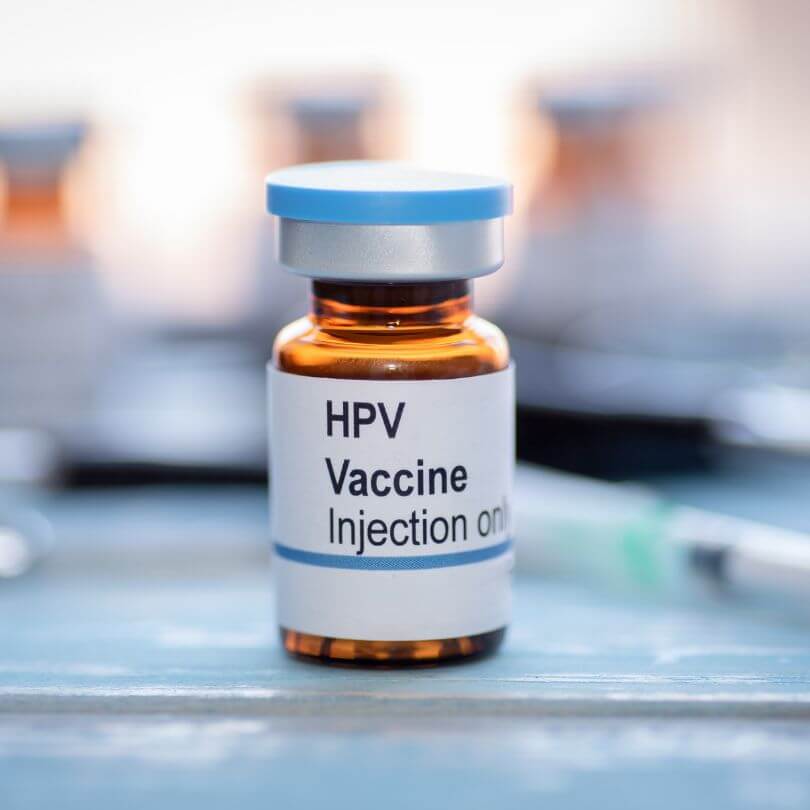
The best way to prevent HPV infection is to get vaccinated.

*All prices are exclusive of GST and consultation fees.
Feature
Bivalent
9-Valent
What it prevents
2 strains:
HPV16 , 18
9 strains:
HPV 16, 18, 31, 52, 58, 33, 45, 6, 11
Protection against
70% of cervical cancer, penile cancer, anal cancer
90% of cervical cancer, penile cancer, anal cancer, genital warts, vulvar and vaginal cancer
Number of doses
2 doses
(given 6 months apart)
3 doses
(given 0, 1, 6 months apart)
Claimable for Medisave
Yes, up to $500 for females only
No
Cervical Cancer Screening
Even if you have had the HPV vaccination, it is still advisable to undergo regular cervical cancer screening if you are 25 years old and above, and have had sexual intercourse.
*All prices exclusive of GST and consultation fees. Call +65 9728 7793 for more information.
How Do I Book a Cervical Cancer Screening?
Address: 541 Orchard Road #10-02, Liat Towers Singapore 238881
Address: 105A Bidadari Park Drive #01-09 Singapore 341105
Address: 524A, Greenridge Shopping Mall Centre, #02-01, Jelapang Road, Singapore 671524
FAQ
What is cervical cancer?
Cervical cancer is a cancer of the cervix, the lower part of the uterus. HPV infection is a major risk factor.
How long does it take for cervical cancer to develop?
Cervical cancer is a slow-growing cancer. In most cases, it takes many years, often 15-20 years for abnormal cervical cells caused by HPV infection to progress to invasive cervical cancer. This is why regular screening is crucial for early detection and treatment.
What is the side effect of HPV vaccination?
- Pain, redness, or swelling at the injection site: This is very common and typically goes away within a day or two.
- Fever: Low-grade fever might occur but usually resolves on its own.
- Headache or feeling tired: These are generally mild and temporary.
The benefits of HPV vaccination far outweigh the potential for mild side effects. If you experience these side effects, talk to your doctor.
Can I still get cervical cancer if I've been vaccinated against HPV?
The HPV vaccine is highly effective, but doesn’t protect against all strains. Regular screening is still crucial.
What is the difference between pap smear, thin prep, and HPV testing in Singapore?
- Pap smear: Standard test to check for abnormal cervical cells (cancer risk).
- ThinPrep: A Pap smear variation using liquid solution, potentially more accurate.
HPV test: Checks for the Human Papillomavirus (linked to cervical cancer), not specific strains.
All are important, but used differently:
- Pap smear: Usually done first (21+), to be repeated every 2-3 years.
- ThinPrep: Sometimes used instead of Pap for better accuracy.
- HPV test: Often combined with Pap smear. Recommended for women aged 30 and above. To be done every 5 years.
Why Us

Decades of Expertise
30 years of experience in general medicine and medical skin health.

Team of Lady Doctors
We provide comprehensive care for all ages.

Quality Patient Care
Personalised and seamless experience for every patient.