
Navigating Perimenopause & Menopause in Singapore
Perimenopause and menopause are natural stages of hormonal transition — yet many women find this period unexpectedly challenging.
As your body moves from the reproductive years toward menopause, fluctuating hormone levels can bring physical and emotional changes that affect daily life, work, and overall wellbeing.
At Healthsprings Medical, our all-ladies clinical team provides a private space to understand your concerns. We evaluate your hormonal health with care, guiding you through suitable medical options to help you feel better.


Understanding the Transition
Hormone levels change gradually over time. This transition typically moves through three stages — the reproductive phase, perimenopause, and menopause.
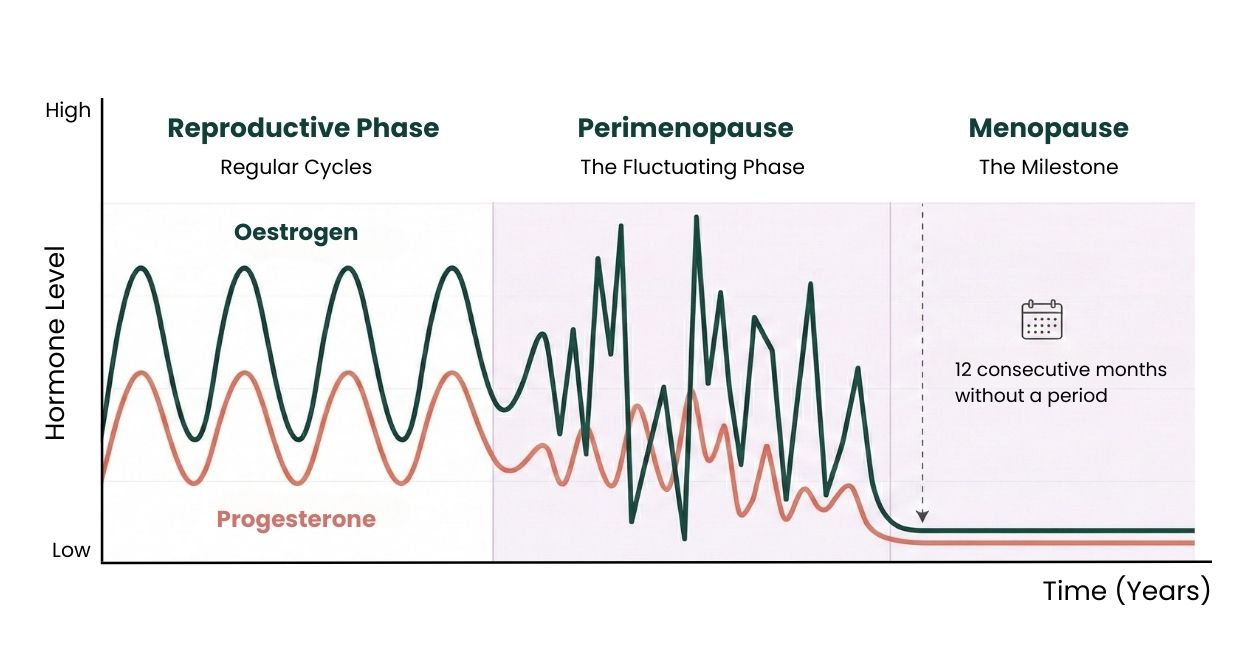
Perimenopause (The Transition):
Perimenopause often begins in the 40s, although timing varies. During this stage, oestrogen and progesterone levels fluctuate, which may lead to changes in menstrual patterns and overall wellbeing. The transition can last several years and differs from person to person.
Menopause (The Milestone):
Menopause is officially diagnosed after 12 consecutive months without a menstrual period. Hormone levels then stabilise at a lower level, and some changes may persist. Medical evaluation can help clarify where you are in the transition and whether support is appropriate.
Common Symptoms
Irregular Periods
Menstrual cycles may become irregular in timing, duration, or flow before periods eventually stop.
Sleep Disturbances
Difficulty falling asleep, staying asleep, or waking earlier than usual, sometimes associated with night sweats.
Weight Changes
Changes in metabolism that may contribute to gradual weight gain, particularly around the abdomen.
Brain Fog
Difficulty concentrating, forgetfulness, or reduced mental clarity.
Joint Pain & Stiffness
Joint aches or stiffness, sometimes more noticeable in the mornings.
Hot Flushes & Night Sweats
Sudden episodes of warmth, flushing, or sweating that may interrupt sleep or daily activities.
Vaginal & Urinary Changes
Vaginal dryness, discomfort during intimacy, or increased urinary urgency.
Mood Swings
Mood changes, irritability, or heightened anxiety.
Still Unsure If What You're Feeling Is "Normal"?
Take our free Menopause Rating Scale (MRS) self-assessment.
In this 11 questions self-assessment, you will discover:
Why feeling “off” isn’t something to ignore: Understand what is a normal part of the transition and what needs medical attention—so you can finally stop second-guessing your body.
What to do when lifestyle changes haven’t worked: Explore professional, medical-grade solutions that go deeper to actually restore your hormonal balance, energy, and confidence.
Whether you are coping… or quietly suffering in silence: Get absolute clarity on your symptoms and discover the best next step—so you can feel like yourself again.

Personalised Menopause Care by
Women-Led Medical Team

Consultation (In-Clinic or Teleconsultation)
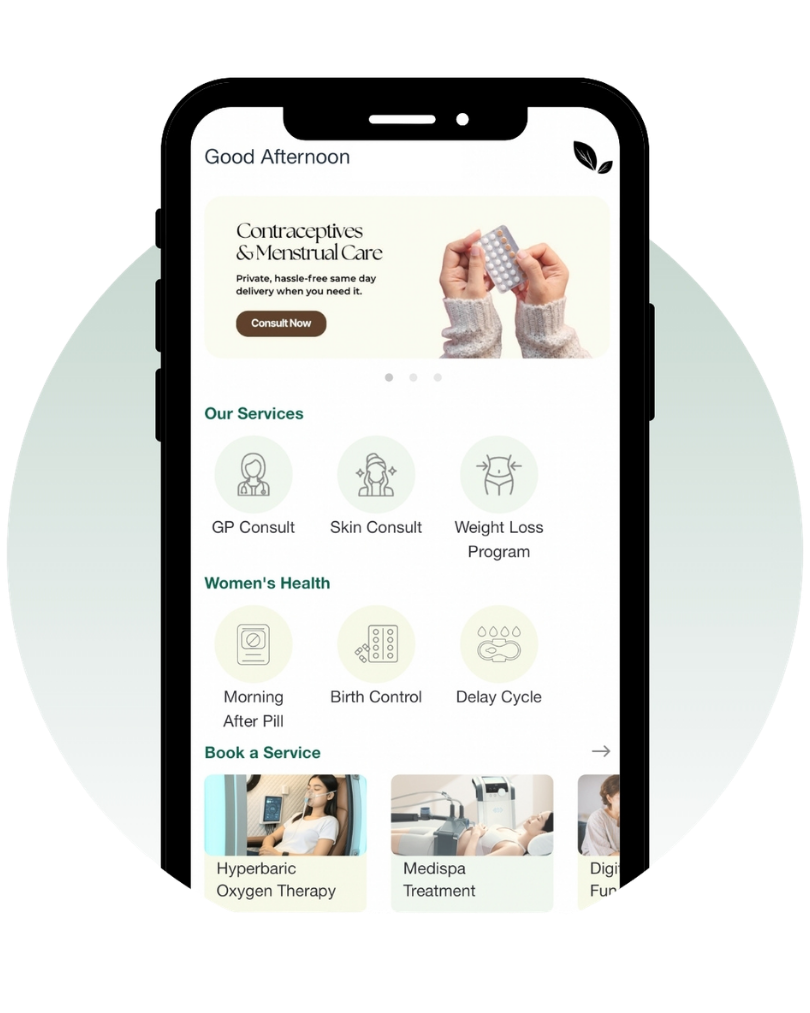
Private consultation with our women-led medical team to review your symptoms, medical history, and overall health — available in-clinic or teleconsultation via Healthsprings Connect App.
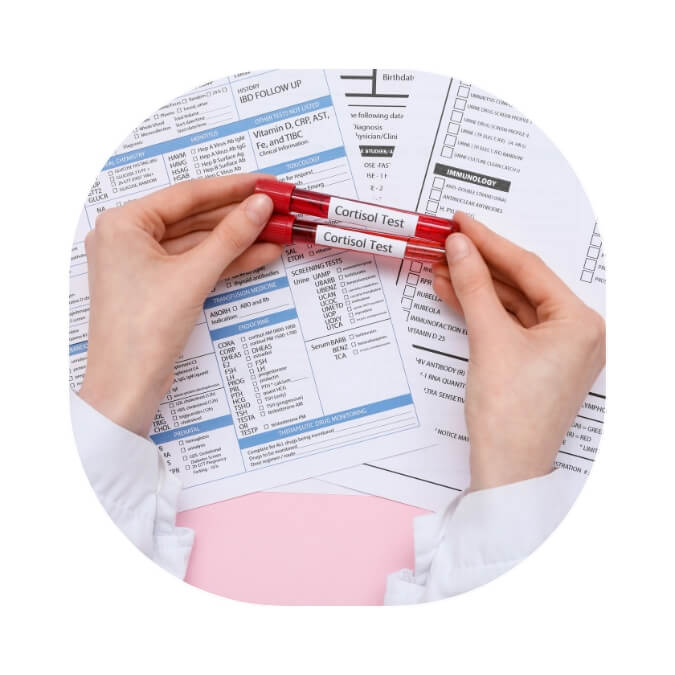
Hormonal Assessment & Personalised Plan
Targeted blood test where appropriate to evaluate hormonal levels and metabolic markers. A personalised management plan is discussed based on your clinical profile.

Ongoing Management & Support
Evidence-based options including lifestyle guidance, non-hormonal therapies, hormone therapy when suitable, and structured follow-up care.
Ready to Speak With a Women’s Health Doctor?
Perimenopause and menopause can feel uncertain — but you do not have to navigate it alone.
Our women-led medical team provides structured, evidence-based care in a private and supportive setting, whether in-clinic or online.
Take the first step toward understanding your symptoms and exploring appropriate options.
FAQ About Perimenopause & Menopause
What are the first signs of perimenopause?
The first signs of perimenopause often begin in a woman’s 40s and can vary significantly. Common early symptoms include:
Irregular periods: Changes in your cycle length or flow.
Sleep disturbances: Difficulty falling asleep or waking up at night.
Mood changes: Feeling more anxious, irritable, or “low” than usual.
Physical shifts: Hot flushes, night sweats, or unexpected weight changes.
Because these symptoms develop gradually, they are often mistaken for stress. To understand your condition better, we recommend taking our [5-minute Perimenopause and Menopause Assessment]. This clinical tool helps you track your symptoms and provides a clear starting point to help you feel better.
How do I know if I am in perimenopause or menopause?
Hormonal changes can be subtle and easy to ignore. To get more clarity on whether what you’re experiencing is related to perimenopause or menopause, you can complete our [free Menopause Rating Scale (MRS) self-assessment]. This clinical tool provides an immediate score and helps you decide if medical guidance is the right next step for your comfort and well-being.
How long does perimenopause last?
Perimenopause can last several years. For some women, it may last 4–8 years before menopause occurs. The duration differs depending on individual hormonal patterns and overall health.
Can perimenopause cause weight gain?
Hormonal changes during perimenopause may affect metabolism and fat distribution, particularly around the abdomen. Lifestyle factors, sleep quality, and stress levels can also contribute.
Do I need hormone replacement therapy (HRT)?
Hormone replacement therapy (HRT) may be considered for some women depending on symptom severity, age, and medical history. Not all women require HRT. A doctor can discuss suitable options based on individual risk assessment.
Is hormone replacement therapy safe?
HRT may be appropriate for certain women, particularly in the early years after menopause. Safety depends on individual factors such as age, cardiovascular risk, and medical history. A consultation is required to evaluate suitability.
Should I see a doctor for menopause symptoms?
Many women find that they can manage mild changes with lifestyle adjustments. However, if you feel that your symptoms are starting to interfere with your sleep, your work, or your quality of life at home, it is a good time to have a conversation with a professional.
In our experience, seeking support early—rather than waiting until symptoms feel ‘unbearable’—makes the transition much smoother. It’s not about ‘fixing’ a problem, but about ensuring you have the right support to feel comfortable and well.
To help you understand your own condition better, we have provided a [simple 5-minute assessment]. It uses the clinical Menopause Rating Scale to give you a clearer picture of your symptoms, helping you decide if you’d like to chat with our all-ladies team.
All treatments are subject to medical evaluation. Suitability will be determined after consultation and appropriate assessment.
Why Us

Decades of Expertise
30 years of experience in general medicine and medical skin health.

Team of Lady Doctors
We provide comprehensive care for all ages.

Quality Patient Care
Personalised and seamless experience for every patient.