
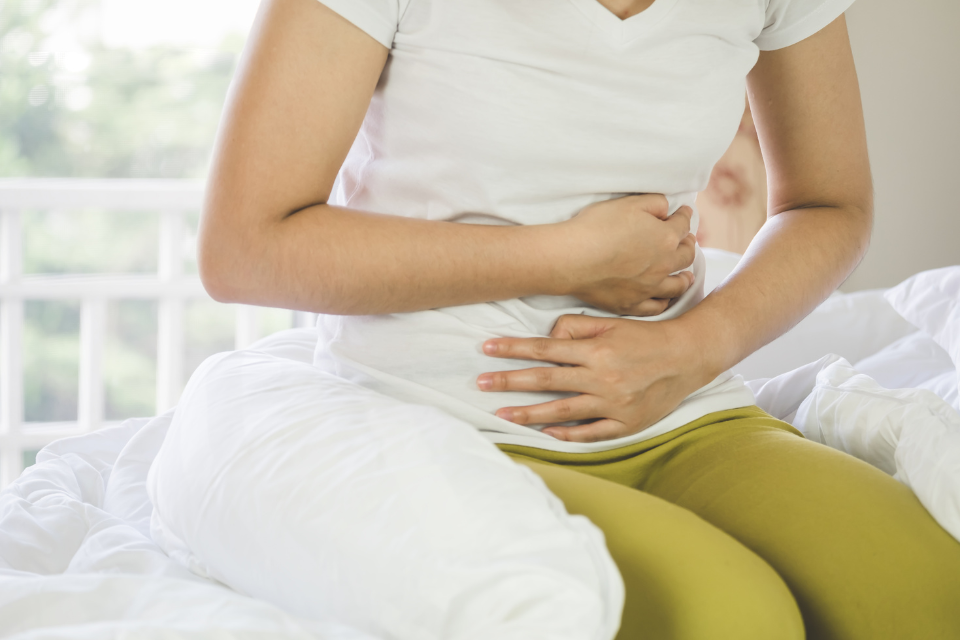
When stomach troubles strike, it’s common to wonder: “Is it food poisoning or the stomach flu?” While both can leave you feeling miserable with vomiting, diarrhoea, and cramps, they are not the same—and knowing the difference can help you manage symptoms and seek timely medical care.
Food poisoning is caused by eating contaminated food or drinks. The culprit is usually bacteria (like Salmonella or E. coli), viruses (like norovirus), or toxins that have made their way into what you’ve consumed.
Undercooked meat or seafood
Raw eggs or unpasteurised dairy
Food left out too long at room temperature
Cross-contamination during food prep
Nausea and vomiting
Diarrhoea (sometimes with blood)
Stomach cramps
Fever (in some cases)
Fatigue and weakness
Onset: Symptoms usually appear within hours to a day after eating contaminated food.
Despite its name, the stomach flu isn’t related to the flu virus. It’s typically caused by a viral infection, such as norovirus or rotavirus, that affects your digestive tract.
It’s highly contagious, spreading through:
Contaminated food or water
Close contact with infected individuals
Touching contaminated surfaces and then your mouth
Sudden nausea and vomiting
Watery diarrhoea
Low-grade fever
Headache and body aches
Stomach pain
Onset: Symptoms may appear 1–3 days after exposure and can last from 1 to 3 days, sometimes longer.
| Symptom/Factor | Food Poisoning | Stomach Flu |
|---|---|---|
| Cause | Contaminated food or drink | Viral infection |
| Onset of symptoms | A few hours to 1 day | 1–3 days after exposure |
| Common symptoms | Vomiting, diarrhoea, cramps | Diarrhoea, vomiting, fever |
| Fever | Less common | More common |
| Duration | Usually 1–2 days | 1–3 days, sometimes longer |
| Contagious? | Sometimes | Yes, highly |
Most cases of food poisoning or stomach flu are mild and resolve on their own with rest and hydration. However, you should seek medical care if you experience:
High fever (above 38.5°C)
Blood in stool or vomit
Signs of dehydration (dry mouth, dizziness, reduced urination)
Severe or persistent symptoms lasting more than 2–3 days
If you’re pregnant, elderly, or have a weakened immune system
If you’re feeling unwell or unsure, it’s best not to self-diagnose. Let us help you get back on your feet. At Healthsprings, we offer both in-clinic and teleconsultation services for your convenience. Book a consultation today.