
Search

Understanding Influenza: How a Common Flu Can Turn Deadly

Influenza, commonly known as the flu, is a contagious respiratory illness that can lead to severe complications like pneumonia. While often perceived as a seasonal inconvenience, it can pose serious health risks, particularly for vulnerable groups. Recognising early symptoms, understanding the different types of influenza, and prioritising vaccination are key to preventing severe cases.

How Influenza Can Turn Deadly

The influenza virus primarily infects the respiratory tract, triggering an immune response that can lead to lung inflammation. While this response helps fight the virus, excessive inflammation may damage lung tissue, reducing oxygen exchange and leading to pneumonia. Pneumonia can occur directly from the virus (viral pneumonia) or as a secondary bacterial infection, causing symptoms such as:

  • Cough with phlegm
  • Fever and chills
  • Difficulty breathing

High-Risk Groups for Severe Influenza Complications

Certain group are more vulnerable to severe flu-related illnesses:

  • Young Children: Developing immune systems make them more susceptible to infections.
  • Elderly Individuals: Natural immune decline increases vulnerability.
  • People with Chronic Conditions: Conditions like asthma, heart disease, or diabetes exacerbate flu symptoms.
  • Pregnant Women: Immune, heart, and lung function changes increase risk.

The Critical Role of Vaccination

Annual flu vaccines protect against the four most prevalent and severe influenza strains: two Influenza A subtypes and two Influenza B lineages.

Vaccination helps reduce infection risks, lower complications, and protect vulnerable populations. Even if infection occurs post-vaccination, symptoms tend to be milder and of shorter duration. The MOH recommends flu shots for everyone aged six months and older, especially for high-risk individuals.

Flu Vaccine is available at Healthsprings Medical Clinics.

Recognising Flu Symptoms Early

Identifying flu symptoms promptly can prevent complications. Common flu symptoms include:

  • Fever or chills
  • Cough and sore throat
  • Runny or stuffy nose
  • Muscle aches and fatigue
  • Headaches

If symptoms persist or worsen, seek medical attention early. Antiviral medications can help reduce severity if taken within the first 48 hours of symptoms.

Preventive Measures Beyond Vaccination

To further reduce flu transmission:

  • Practice Good Hygiene: Wash hands frequently and use hand sanitizer.
  • Avoid Close Contact: Distance yourself from individuals showing flu symptoms.
  • Cover Coughs and Sneezes: Use a tissue to prevent spreading droplets.
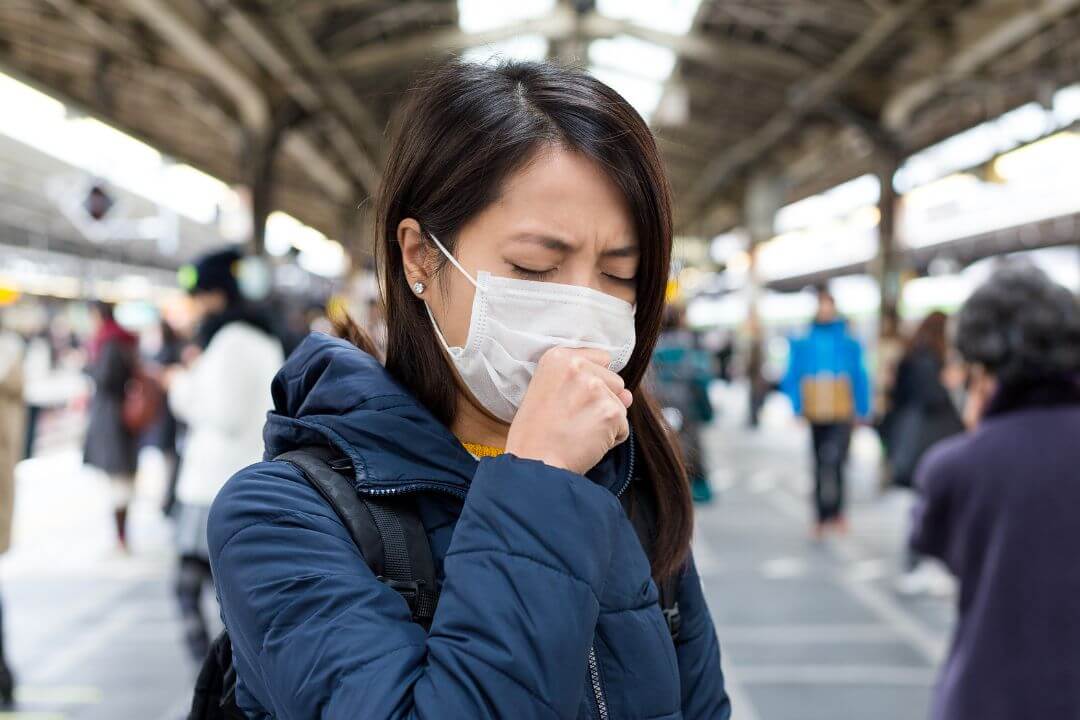
  • Wear a mask when unwell: Protect the community.

Staying Proactive Against Influenza

Influenza is more than just a seasonal illness—it can lead to severe health risks if left unchecked. By getting vaccinated, recognising early symptoms, and practicing preventive measures, individuals can protect themselves and their communities from serious flu-related complications.

If you or your loved ones experience flu symptoms, monitoring your health and seeking timely medical advice is essential. Healthsprings Connect Telemedicine App provides an option for teleconsultation, allowing you to receive medical guidance and support from the comfort of your home.


Share this post:
Healthsprings Telemedicine App
Consult with our doctors online and get medications delivered to your doorstep.

Sign up now for the latest health tips

Newsletter

FAQ

The flu and the common cold share some symptoms, but the flu is usually more severe, comes on suddenly, and can lead to complications like pneumonia, especially in high-risk individuals.

  • Keep a safe distance and minimize direct contact.
  • Disinfect commonly touched surfaces.
  • Ensure the sick person rests and stays hydrated.
  • If they are at high risk (elderly, young children, or have chronic illnesses), monitor for complications and seek medical help if needed.

No, influenza is caused by a virus, so antibiotics are ineffective. However, antibiotics may be prescribed if a bacterial infection (like pneumonia) develops as a complication.

Influenza spreads through respiratory droplets when an infected person coughs, sneezes, or talks. It can also spread by touching contaminated surfaces and then touching the face.


HEALTHSPRINGS MEDICAL @ ORCHARD

Address: 541 Orchard Road #10-02, Liat Towers Singapore 238881

Contact: 9728 7793 / 6734 5260

HEALTHSPRINGS MEDICAL @ BIDADARI

Address: 105A Bidadari Park Drive #01-09 Singapore 341105

Contact: 8616 6166 / 6970 7933

HEALTHSPRINGS MEDICAL @ BUKIT PANJANG

Address: 524A, Greenridge Shopping Mall Centre, #02-01, Jelapang Road, Singapore 671524

Contact: 8799 8936 / 6892 6681

Related Articles

Hi there 👋 Thank you for contacting us at Healthsprings, do share with us more details so we can assist!