
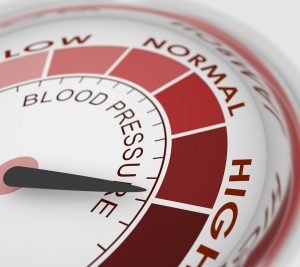
[:en]Hypertension, also know known as high blood pressure, refers to the condition in which the blood is pumped around the body at too high a pressure.
This condition is becoming an increasingly common problem in Singapore.
Among adults 18 to 69 years old, the incidence of hypertension has increased from 18.9% in 2010 to 21.5% in 2017.
Among adults 60-69 years old, the incidence is 1 in 2!
Symptoms of High Blood Pressure
Most people with high blood pressure have no signs or symptoms, even if blood pressure readings reach dangerously high levels.
A few people with high blood pressure may have headaches, shortness of breath or nosebleeds, but these signs and symptoms aren’t specific and usually don’t occur until high blood pressure has reached a severe or life-threatening stage.
Risks of High Blood Pressure
Hypertension if not well controlled, leads to increased risk of stroke, heart, eye and kidney disease.

Causes of High Blood Pressure
There are two types of high blood pressure: Primary hypertension and Secondary Hypertension.
For most adults, there’s no identifiable cause of high blood pressure. This type of high blood pressure, called primary (essential) hypertension, tends to develop gradually over many years.
Some people have high blood pressure caused by an underlying condition. This type of high blood pressure, called secondary hypertension, tends to appear suddenly and cause higher blood pressure than does primary hypertension.
Various conditions and medications can lead to secondary hypertension, including:
- Obstructive sleep apnea
- Kidney problems
- Adrenal gland tumors
- Thyroid problems

How to Manage High Blood Pressure
Besides taking medications, there are many other measures one can take to improve blood pressure.
These include diet, exercise, weight loss and stress relief.
Weight Loss
Weight loss, diet and exercise are the cornerstones of lifestyle management of hypertension.
The effect of weight loss on blood pressure is dose related, i.e. the more weight one loses, the greater the reduction in blood pressure.
Diet
In terms of diet, the Dietary Approaches to Stop Hypertension (DASH) diet has been found to be very effective in reducing blood pressure.
In a nutshell, the DASH diet emphasises on fruits, vegetables, whole grains and lean meat. It is low on red meat, salt, added sugars and fat. In particular, no more than 1 teaspoon (2300mg) of sodium per day is recommended.
Exercise
Increased physical activity is also important, particularly to maintain weight loss, once achieved.
Exercise also has direct benefits on heart health, independent of reduction in blood pressure. Aim for 250mins of moderate intensity exercise a week for weight loss and 150mins for maintenance.
Stress Relief
The stressful lifestyle that we lead also contributes to the rising incidence of hypertension.
Daily practice of stress-relieving techniques like deep breathing and muscle relaxation may help towards the reduction of blood pressure. Even measure like getting more sleep can help in reducing blood pressure.
‘Lifestyle Disease’
Hypertension can be considered to be a lifestyle disease for most people. Making changes to our lifestyle will undoubtedly lead to better blood pressure control for most people.
Please feel free to speak to us if you wish to know more regarding control of your blood pressure.
[:]