
[:en]
Dentists in Singapore and worldwide have reported a rise in teeth grinding or clenching – medically termed bruxism – since the COVID-19 pandemic started. Stress is a known trigger for increased grinding and clenching of teeth. In fact, many people grind their teeth during sleep but are unaware of it.
How do you know if you suffer from bruxism?
You may have bruxism if you experience dull or aching pain around your jaw or cheeks, jaw pain with chewing, difficulty opening your mouth wide, or if your jaw locks or clicks on opening and closing.

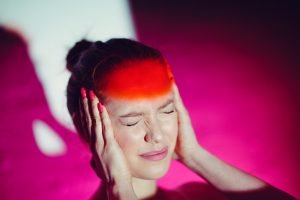
It also commonly leads to tension headaches, which are typically felt as a pressure band at the temples or forehead.
Chronic teeth grinding also wears down the enamel of teeth, and in severe cases, may result in cracked teeth or even loss of teeth.

What treatments are there for bruxism?
-
If you have jaw pain or headaches as a result of bruxism, see your doctor who can prescribe anti-inflammatory medication to relieve these symptoms.
-
The masseter muscle – the strongest muscle involved in chewing – is often enlarged in people with bruxism. B.tox injection into the masseter relaxes and weakens it, reducing its activity and therefore relieving bruxism. A single treatment can last 3-6 months.
-
Regular dental assessment is usually recommended to check on the health of your teeth. Mouth guards can prevent wearing down the enamel of your teeth.
-
As stress is a trigger for bruxism, stress management and good sleep habits are important.
(Link to previous articles: https://www.healthspringsgroup.com.sg/9-tips-for-a-better-sleep-at-night/
https://www.healthspringsgroup.com.sg/maintaining-mental-health-during-covid-19/)

If you suspect that you clench or grind your teeth at night, you can consult our doctors for further assessment and treatment.[:]